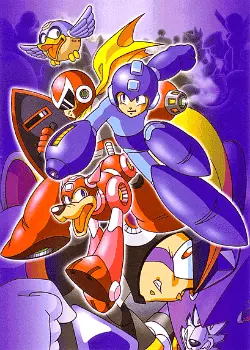
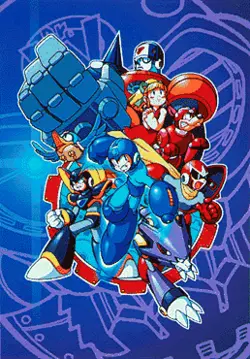
Mega Man Game Collection
Mega Man Series Overview
Since 1987's Mega Man, Capcom's blue bomber has defined action-platforming with tight controls, weapon-stealing mechanics, and challenging boss fights. The series spans classic 2D games, 3D experiments, and numerous spin-offs, selling over 40 million copies worldwide.
- Defeat Robot Masters to gain their weapons (Metal Blade, Leaf Shield)
- Weapon weaknesses: Strategic boss order (e.g., Fire Man weak to Ice Slasher)
- X Series: More aggressive gameplay and darker tone (1993–present)
- Battle Network: RPG/spin-off hybrid with card-based combat
- Music: Memorable chiptune tracks (e.g., Dr. Wily Stage 1)
- Influence: Inspired indie games like Mighty No. 9 and 20XX
Since 1987's Mega Man, Capcom's blue bomber has defined action-platforming with tight controls, weapon-stealing mechanics, and challenging boss fights. The series spans classic 2D games, 3D experiments, and numerous spin-offs, selling over 40 million copies worldwide.
Core Gameplay
- Run-and-gun platforming with precise jumping- Defeat Robot Masters to gain their weapons (Metal Blade, Leaf Shield)
- Weapon weaknesses: Strategic boss order (e.g., Fire Man weak to Ice Slasher)
Key Subseries
- Classic Series: 11 mainline titles (Mega Man 2 often considered peak)- X Series: More aggressive gameplay and darker tone (1993–present)
- Battle Network: RPG/spin-off hybrid with card-based combat
Cultural Impact
- Iconic character design (simple but expressive)- Music: Memorable chiptune tracks (e.g., Dr. Wily Stage 1)
- Influence: Inspired indie games like Mighty No. 9 and 20XX