Samurai Shodown Game Collection
Samurai Shodown: The Blade's Legacy
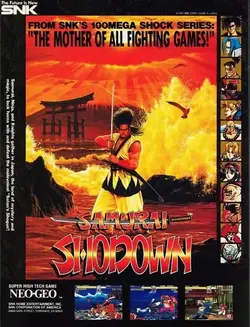
Since its 1993 debut by SNK, Samurai Shodown (サムライスピリッツ) has redefined weapon-based fighting games with its deliberate pacing, devastating sword strikes, and feudal Japan aesthetic. Set primarily in the late 18th century, the series blends historical figures with supernatural elements, creating a tense combat system where a single well-timed slash can decide a match.
- Mind Games: Reading opponents and punishing mistakes with high-damage attacks
- Rage Gauge: A mechanic that powers up attacks when health is low
- Weapon Disarms: Dramatic moments where fighters lose their blades
Iconic characters like Haohmaru (the wandering ronin) and Nakoruru (nature's guardian) wield unique weapons with realistic weight.
- 3D Transition: Samurai Shodown 64 (1997) experimented with arena combat.
- Revival: The 2019 reboot won praise for returning to strategic swordplay with Unreal Engine visuals.
Since its 1993 debut by SNK, Samurai Shodown (サムライスピリッツ) has redefined weapon-based fighting games with its deliberate pacing, devastating sword strikes, and feudal Japan aesthetic. Set primarily in the late 18th century, the series blends historical figures with supernatural elements, creating a tense combat system where a single well-timed slash can decide a match.
Core Gameplay & Innovation
Unlike combo-heavy fighters, Samurai Shodown emphasizes:- Mind Games: Reading opponents and punishing mistakes with high-damage attacks
- Rage Gauge: A mechanic that powers up attacks when health is low
- Weapon Disarms: Dramatic moments where fighters lose their blades
Iconic characters like Haohmaru (the wandering ronin) and Nakoruru (nature's guardian) wield unique weapons with realistic weight.
Series Evolution
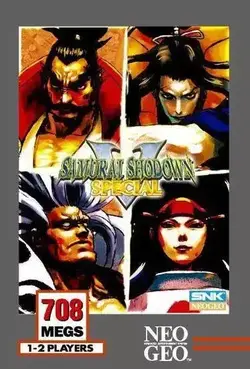
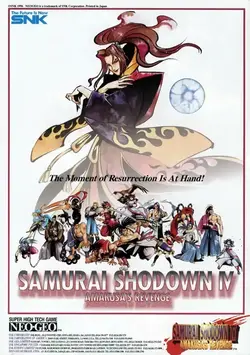
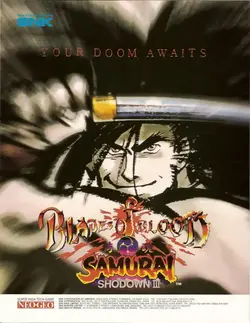
- Neo Geo Era: The pixel-art classics (1993-1995) introduced dynamic stages with cherry blossoms and castles.- 3D Transition: Samurai Shodown 64 (1997) experimented with arena combat.
- Revival: The 2019 reboot won praise for returning to strategic swordplay with Unreal Engine visuals.